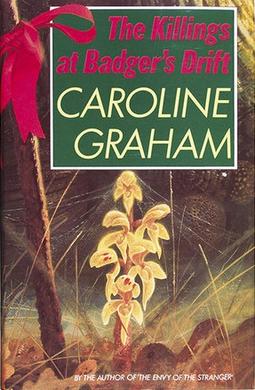
The Deceptive Calm: Unveiling the Tod In Badger's Drift Mystery
Beneath the picturesque veneer of a quaint English village often lie secrets darker and more twisted than any city street. Few detective series capture this chilling dichotomy as effectively as Midsomer Murders, and one episode, in particular, stands out for its masterful unraveling of rural deceit: Tod In Badger's Drift. This seminal case introduces us to Inspector Tom Barnaby and Sergeant Troy as they peel back layers of tradition and propriety to expose a brutal crime hidden in plain sight. What begins as a suspected accident soon escalates into a complex murder investigation, revealing a community gripped by paranoia, long-buried resentments, and a terrifying willingness to kill to protect a fragile reputation.
The story plunges us into the seemingly idyllic world of Badger's Drift, a village where ancient cottages and blooming gardens hide a poisonous undercurrent. Here, an elderly, respected resident, Emily Simpson, is found dead in her home. Initial appearances suggest a tragic fall down the stairs, a broken neck, an unfortunate accident. But for those who know the village, and especially for Emily's close friend and neighbour, Lucy Bellringer, something doesn't quite add up. Lucy's conviction that Emily met with foul play is not just a gut feeling; she had seen Emily emerge from the nearby woods visibly distraught just before her death. This crucial detail ignites the suspicion that will ultimately expose the horrific truth behind Emily's demise.
Unraveling the Web of Deceit: Barnaby's First Clues in Tod In Badger's Drift
Called to the scene, the experienced and methodical Inspector Barnaby, along with his earnest but sometimes naive Sergeant Troy, quickly discern that Emily Simpson's death was no accident. The forensic evidence paints a starkly different picture: the former teacher was struck down by a blunt object, her fall merely a staged attempt to cover up a heinous crime. This revelation shatters the village’s façade of tranquility, forcing Barnaby to confront a community where trust is a luxury and secrets are currency. The villagers, initially cooperative, become guarded, their eyes betraying a knowledge they refuse to vocalize, each person seemingly watching the others, anticipating their downfall. It's a classic case of Tod in Badger's Drift: Unraveling Village Secrets, where every conversation feels like a chess match.
Further investigation uncovers another crucial clue: Emily Simpson had placed a call to a telephone helpline shortly before her death. This detail suggests Emily was carrying a heavy burden, perhaps on the verge of revealing a secret that someone desperately wanted to keep buried. Was she reaching out for help? Or was she simply trying to make sense of something disturbing she had witnessed or uncovered? The implications are chilling, pointing towards a crime born not of impulse, but of premeditation and a deep-seated fear of exposure. Barnaby understands that the helpline call is a breadcrumb leading directly to the heart of the conspiracy.
The Whispers of Badger's Drift: Meet the Rainbirds
Amidst the growing suspicion, two characters emerge as particularly intriguing and unsettling: Iris Rainbird and her son, Dennis. Iris, an eccentric figure with an almost theatrical interest in the macabre, and Dennis, the local undertaker, operate from a vantage point in their home, seemingly observing every coming and going in Badger's Drift. Their unusual fascination with Emily Simpson’s death, coupled with their odd demeanour, immediately puts them on Barnaby's radar. Are they merely village gossips with a morbid curiosity, or do their observations hold a deeper, more sinister significance? The Rainbirds are a fascinating study in village dynamics, embodying the lurking, watchful nature that defines the community in Tod In Badger's Drift.
Dennis, with his profession, has an intimate connection to death in the village, and his mother Iris seems to relish recounting local tragedies. They hint at more than they say, dropping cryptic remarks that suggest a historical context to the current events. This dynamic duo serves as both a source of information and a red herring, constantly challenging Barnaby to discern truth from rumour in a village where nobody seems to be entirely honest.
Echoes from the Past: Connecting the Murders in Badger's Drift
It is the Rainbirds who first mention another strange death that had shaken Badger's Drift years prior. A past tragedy, dismissed as an accident or suicide, now takes on a new, ominous light. Barnaby's sharp mind immediately connects the dots, sensing a pattern, a meticulously planned sequence of events rather than isolated incidents. He and Troy begin to dig deep into the village's history, unearthing old grievances, forbidden loves, and powerful family rivalries that have festered for generations. The earlier death, once relegated to local lore, becomes a crucial piece of the puzzle, suggesting that Emily Simpson's murder is not an isolated incident but rather the latest act in a long-running, brutal saga of deceit and revenge. This realization transforms the investigation into a race against time, as Barnaby comes face-to-face with a ruthless killer whose perfidious plan spans decades, willing to eliminate anyone who threatens to expose their meticulously crafted facade. The deeper Barnaby delves, the more it becomes clear that the seemingly tranquil village holds a malevolent secret rooted deeply in its past.
The motives are complex, often tied to inheritance, social standing, or the protection of deeply ingrained secrets. In such a closed community, the stakes are incredibly high, and the lines between right and wrong become dangerously blurred. Barnaby's Inspector Barnaby's Investigation in Badger's Drift Murder truly shines as he navigates these intricate layers of motive and opportunity.
Beyond the Screen: Why Tod In Badger's Drift Resonates
Tod In Badger's Drift remains one of the most memorable and impactful episodes of Midsomer Murders for several reasons. It masterfully encapsulates the core appeal of the series: the juxtaposition of idyllic English countryside with dark, often shocking crimes. The episode is a brilliant study in the psychology of a small community, exposing how secrets and long-held grudges can fester, leading to tragic outcomes. It highlights:
- The Power of Appearances: The initial misdirection of an "accident" demonstrates how easily a polished exterior can mask horrific truths.
- The Unreliable Narrator: Almost everyone in Badger's Drift seems to have something to hide or a version of events they wish to promote, challenging the investigators to discern fact from fiction.
- Historical Context in Crime: The revelation of a past, seemingly unrelated death, is a classic trope that elevates the mystery, showing how historical events shape present-day crimes.
- Character Depth: Even minor characters feel real, contributing to the rich tapestry of suspicion and intrigue. The Rainbirds, in particular, are iconic for their unsettling yet strangely insightful roles.
For fans of crime fiction, Tod In Badger's Drift offers practical lessons in analyzing mysteries. Always question the obvious. Look for the small, seemingly insignificant details – like Emily’s distress in the woods or the helpline call – as these are often the threads that unravel the entire conspiracy. Pay attention to the undercurrents of local gossip and the motivations that lie beneath polite conversations. The most sinister truths often hide in plain sight, protected by a community's collective silence or its determination to uphold a particular image.
This episode serves as a powerful reminder that human nature, with its capacity for both love and malevolence, is the true engine of drama. The seemingly peaceful village becomes a microcosm of society's darker impulses, where the desire for revenge, the protection of family honour, or the fear of social ruin can drive individuals to unimaginable acts.
Conclusion
Tod In Badger's Drift isn't just a murder mystery; it's a profound exploration of human nature, community secrets, and the deceptive calm of rural life. From the moment Lucy Bellringer casts doubt on Emily Simpson's "accident" to the final, shocking reveal of the killer and their elaborate scheme, Inspector Barnaby and Sergeant Troy navigate a treacherous landscape of lies and betrayals. The episode’s enduring legacy lies in its ability to expose the fragility of trust and the destructive power of hidden truths, making it a cornerstone of the Midsomer Murders series and a masterclass in crime storytelling. It reminds us that sometimes, the most dangerous places are not found in the shadows of the city, but in the sunlit lanes of a seemingly idyllic village.